Table of Contents
Europe continues to attract travelers with its diverse cultures, historic cities, and iconic landmarks. From the romantic streets of Paris to the coastal charm of Dubrovnik, each destination offers a unique blend of heritage, cuisine, and local experiences. Whether you’re drawn to art, architecture, or seaside escapes, this curated list highlights popular European cities that consistently appeal to visitors seeking both discovery and comfort.
1. London, United Kingdom
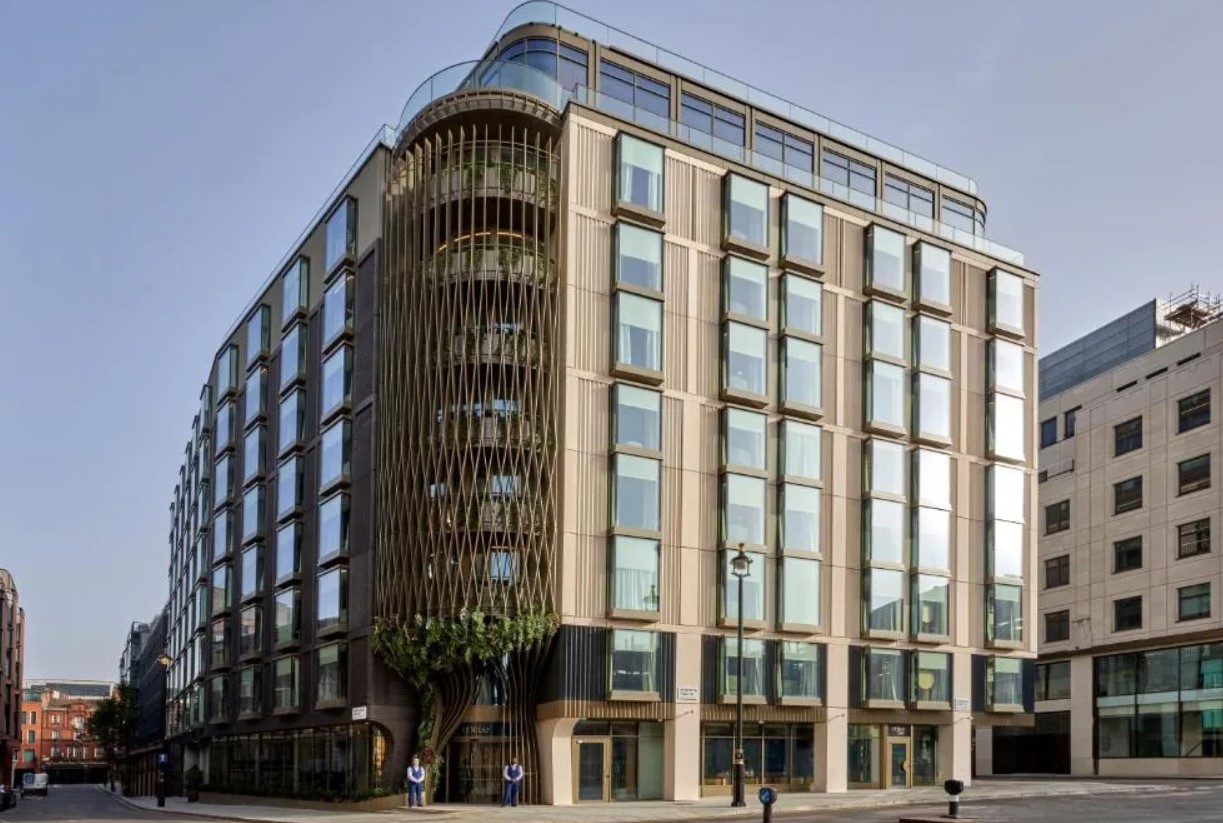
Travelers benefit from an extensive public transport system and a variety of museums and theaters. Whether you’re exploring landmarks or city parks, London balances classic heritage with a modern urban pulse.
Pros:
-
Extensive transport options
-
World‑class museums
-
Iconic historic landmarks
-
Diverse cuisine choices
-
Plenty of park space
Cons:
-
High hotel prices
-
Crowded tourist zones
-
Variable weather patterns
-
Expensive dining options
-
Pickpocket risk areas


2. Paris, France
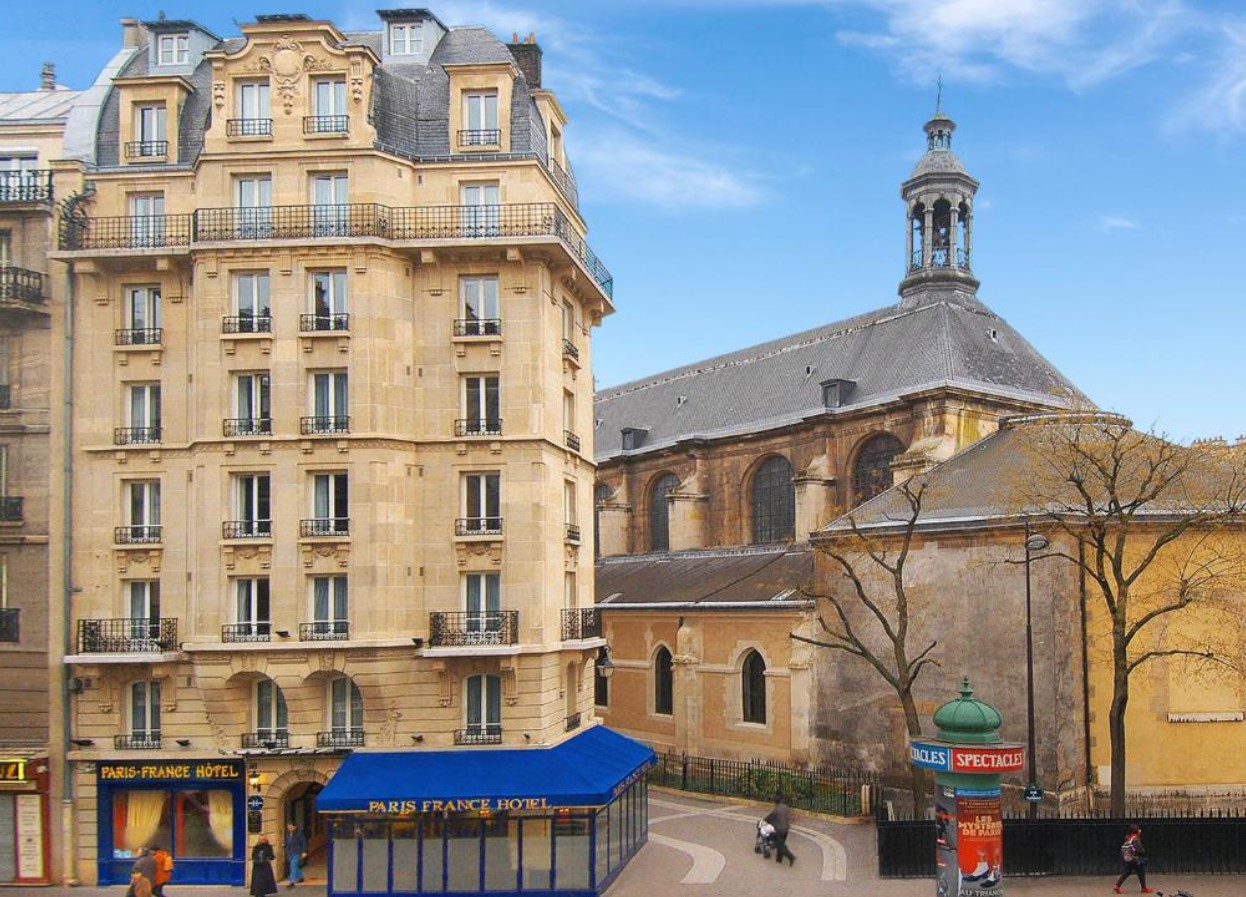
Paris combines historical grandeur with modern charm through sites like the Eiffel Tower, Louvre, and Notre-Dame Cathedral. Elegant architecture, sidewalk cafés, and scenic boulevards contribute to its timeless appeal.
The city’s compact layout encourages walking, and the metro system supports easy navigation. Paris caters to art lovers, food enthusiasts, and those interested in both quiet beauty and dynamic street life.
Pros:
-
Renowned art galleries
-
Beautiful urban parks
-
Excellent French cuisine
-
Efficient metro system
-
Romantic neighborhoods
Cons:
-
Tourist congestion
-
Higher accommodation costs
-
Occasional strikes/disruptions
-
Crowded museums
-
Street harassment concerns
3. Rome, Italy
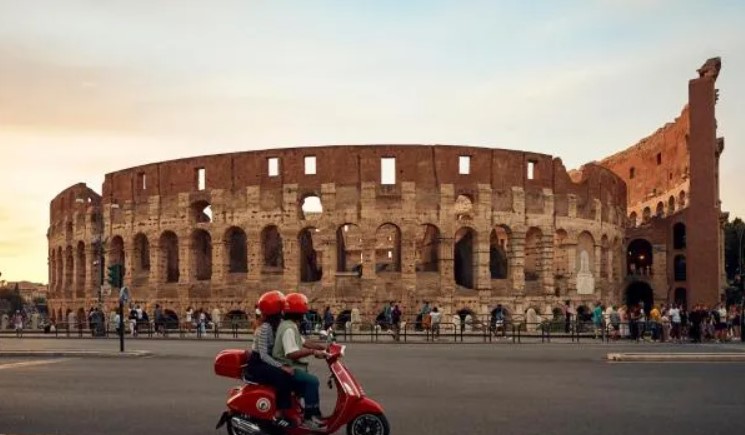
Rome features an immersive landscape of ancient ruins, religious sites, and Renaissance art. Landmarks such as the Colosseum and Vatican Museums reveal layers of history spanning centuries.
The city is ideal for leisurely exploration, with lively piazzas, open-air markets, and traditional trattorias. Rome’s atmosphere blends old-world character with a strong sense of contemporary Italian culture.
Pros:
-
Ancient historic sites
-
Authentic Italian cuisine
-
Vibrant street life
-
Charming districts
-
Rich art heritage
Cons:
-
Hot summers
-
Busy in peak months
-
Tourist scams
-
Limited public transport coverage
-
Uneven sidewalks
4. Barcelona, Spain
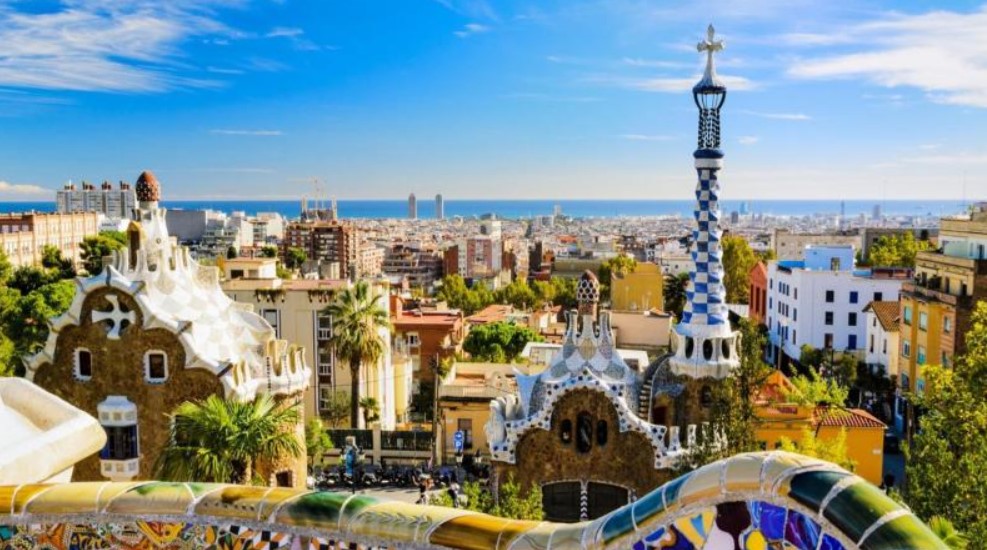
Barcelona is defined by its modernist architecture, coastal charm, and bustling markets. Iconic sites like Sagrada Família and Park Güell reflect the creative spirit of the city.
The Mediterranean setting enhances its appeal, with urban beaches and relaxed dining experiences. Travelers enjoy both cultural depth and casual environments suited for walking, cycling, and short scenic excursions.
Pros:
-
Antoni Gaudí landmarks
-
Coastal city beaches
-
Bustling food markets
-
Friendly walkable layout
-
Excellent cycling options
Cons:
-
Pickpocket-prone areas
-
Seasonal crowding
-
Moderate humidity summers
-
Tourist‑priced restaurants
-
Limited shade zones
5. Prague, Czech Republic
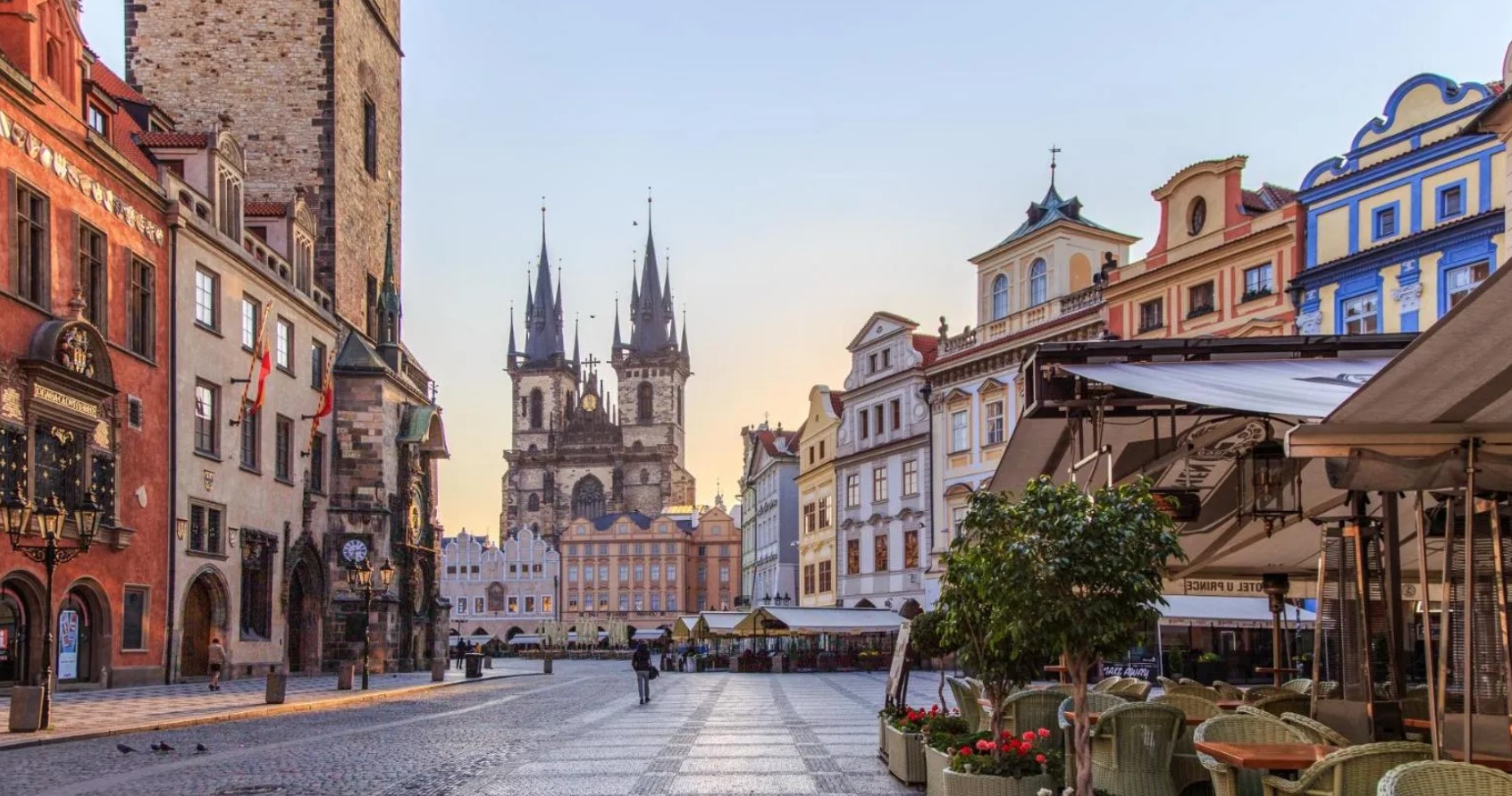
Prague offers a blend of medieval architecture and affordable urban exploration. Its Old Town, Charles Bridge, and castle complex highlight the city’s historical depth and architectural consistency.
Visitors appreciate the walkable layout, reliable public transit, and scenic views along the Vltava River. Prague suits travelers interested in culture, history, and lower-cost European experiences.
Pros:
-
Well‑preserved historic centre
-
Affordable costs
-
Rich beer tradition
-
Excellent walkability
-
Public transport network
Cons:
-
Tourist-heavy zones
-
Limited nightlife after midnight
-
Occasional crowds on bridges
-
Language barrier outside tourist areas
-
Winter cold spells
Amsterdam, Netherlands
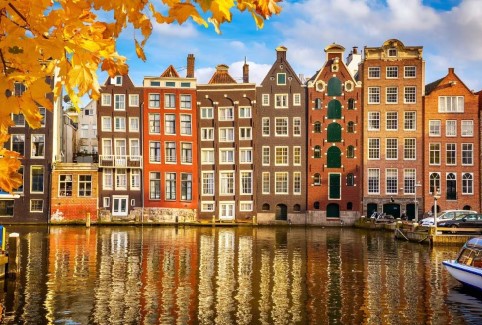
Amsterdam features canal-lined streets, gabled houses, and renowned art museums. The city’s layout encourages biking and walking, making it easy to explore neighborhoods and parks.
Cultural offerings include the Rijksmuseum, Anne Frank House, and a range of galleries. The atmosphere is relaxed, with a focus on environmental design and efficient urban living.
Pros:
-
Extensive bike network
-
Rich museum offerings
-
Scenic canal views
-
Compact walkable layout
-
Laid-back atmosphere
Cons:
-
Narrow sidewalks
-
Expensive city center hotels
-
Heavy bicycle traffic
-
Tourist noise in evenings
-
Limited dining after hours
7. Vienna, Austria
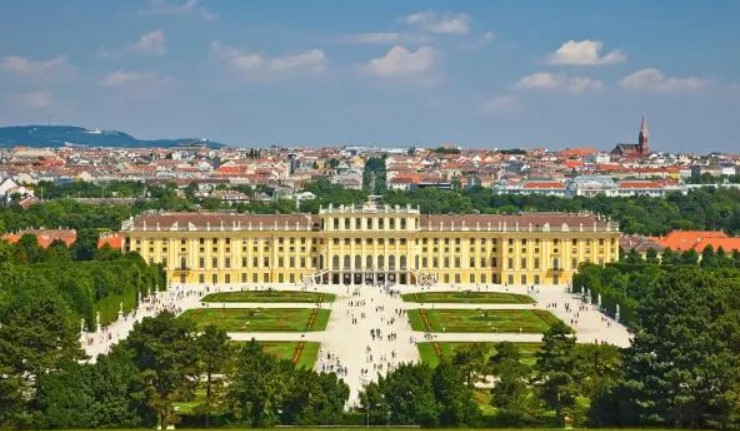
Vienna presents a refined cultural landscape with imperial architecture, music venues, and spacious squares. Attractions like the Schönbrunn Palace and Belvedere Museum highlight the city’s artistic legacy.
Known for its café culture and classical concerts, Vienna is suited for slow-paced travel focused on the arts. The city is clean, orderly, and easily navigated via public transit.
Pros:
-
Grand architectural landmarks
-
High public cleanliness
-
Reliable subway system
-
Traditional coffeehouses
-
Classical music venues
Cons:
-
Some expensive attractions
-
Quiet nightlife scene
-
Formal restaurant culture
-
Limited English signage
-
Cold winters
8. Dubrovnik, Croatia
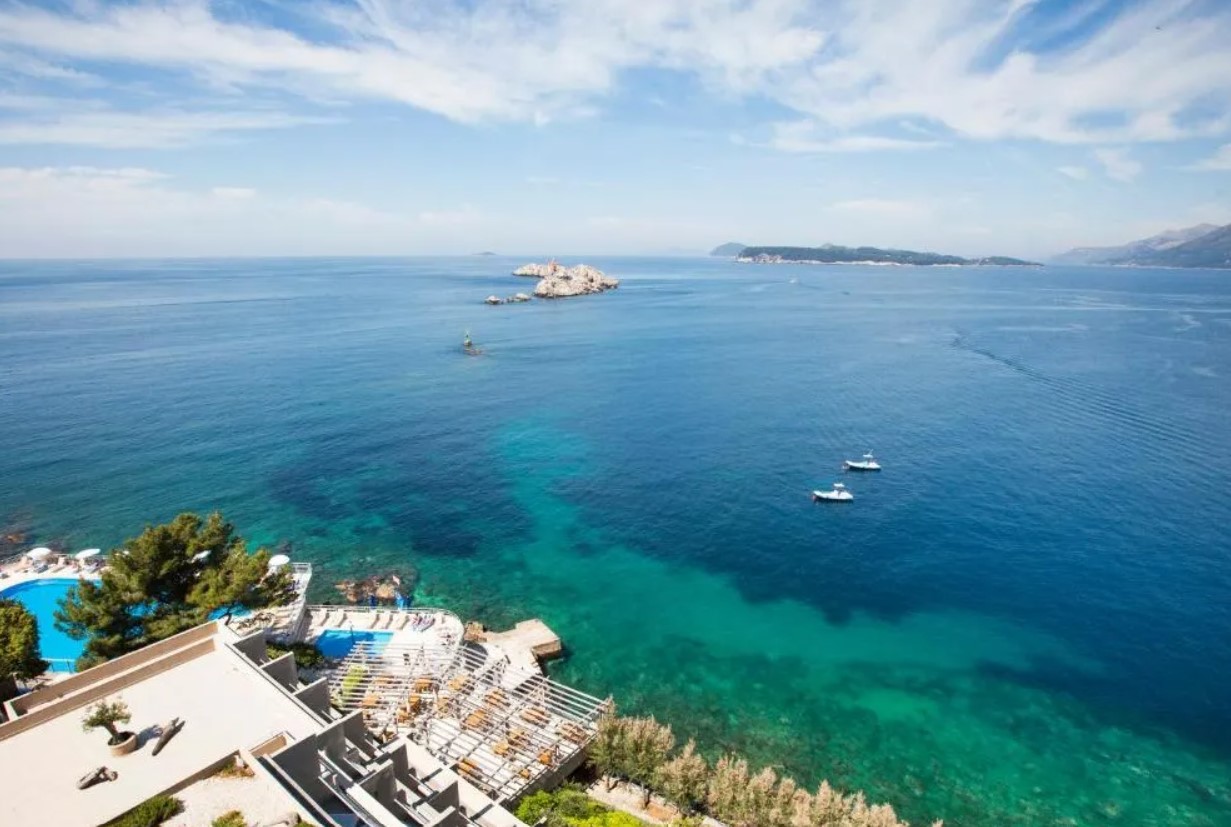
Dubrovnik is recognized for its intact medieval walls, terracotta rooftops, and coastal views. The Old Town is compact, offering scenic alleyways and historic churches.
Popular among cruise passengers and island-hoppers, the city’s layout supports both brief visits and extended stays. Its maritime history and Adriatic setting create a unique Southern European experience.
Pros:
-
Stunning seaside views
-
Well-preserved old town
-
Short day trips possible
-
Island access nearby
-
Historic walking tours
Cons:
-
Steep staircases
-
Limited public transport
-
Pricey peak-season stays
-
Overcrowding in old town
-
Cruise ship influx
9. Athens, Greece
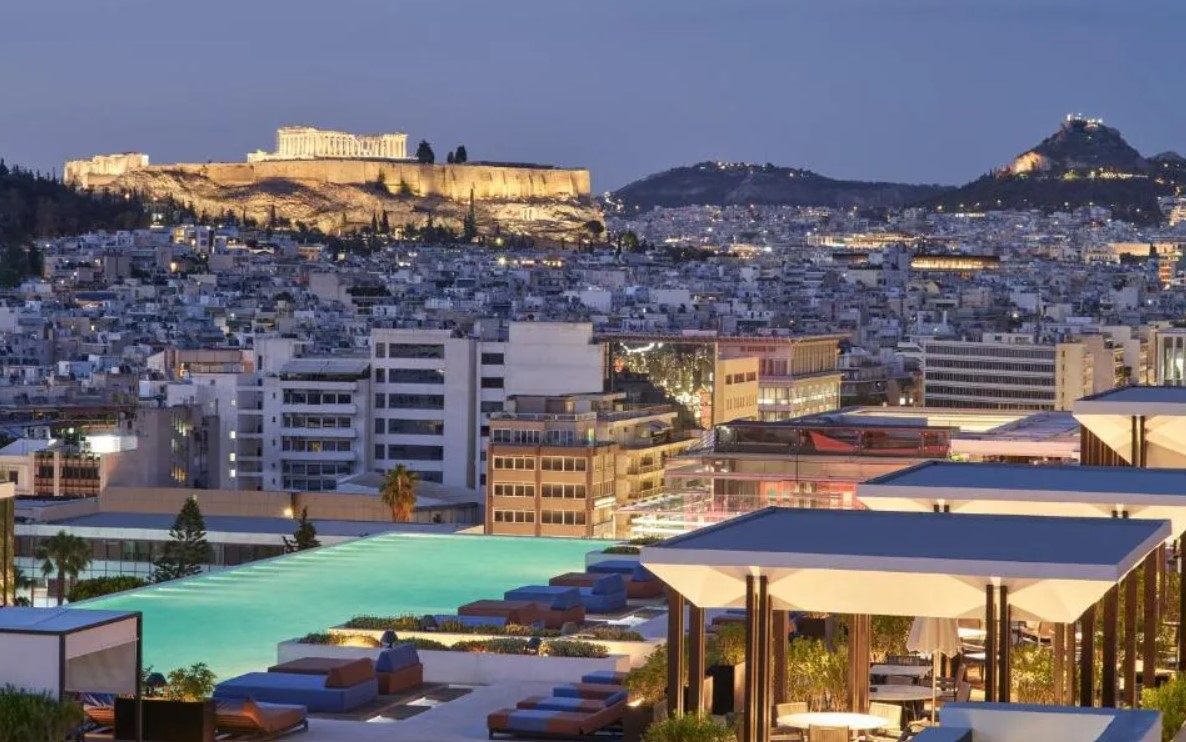
Athens offers a direct connection to the ancient world, with prominent landmarks like the Acropolis and Parthenon. Its history is visible throughout the city, blended with modern elements.
Affordable eateries, lively neighborhoods, and access to nearby islands make it versatile for many travel styles. The city maintains a strong local identity alongside its touristic appeal.
Pros:
-
Rich ancient ruins
-
Affordable food options
-
Accessible metro lines
-
Mild spring and fall weather
-
Local market experiences
Cons:
-
Summer heat waves
-
Limited green spaces
-
Traffic congestion
-
Inconsistent service quality
-
Noise in central areas
10. Lisbon, Portugal
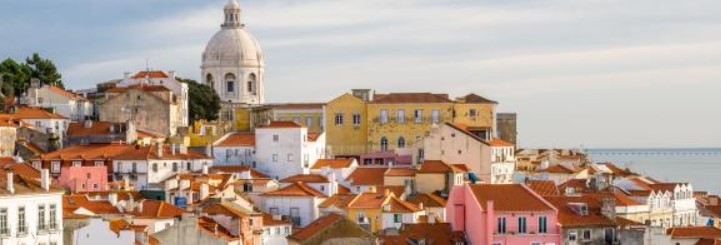
Lisbon features colorful districts, historic trams, and panoramic views over the Tagus River. Alfama and Belém offer insight into the city’s maritime and colonial past.
Its coastal location supports day trips and beach access, while traditional Portuguese cuisine and live Fado music deepen the cultural experience. Lisbon combines affordability with scenic charm.
Pros:
-
Traditional tile architecture
-
Excellent local seafood
-
Hilly cityscape views
-
Access to beaches
-
Affordable transportation
Cons:
-
Slippery cobblestones
-
Steep uphill walks
-
Limited metro coverage
-
Few English speakers
-
Irregular business hours
 Advertisement